Alpine Glaciers Face Rapid Retreat, Permafrost Thaw Escalates Rockfall Risk in European Alps
Escalating temperatures are rapidly shrinking European Alpine glaciers, leading to permafrost thaw, unstable cliffs, and increased rockfalls, as seen in the Mont Blanc massif.
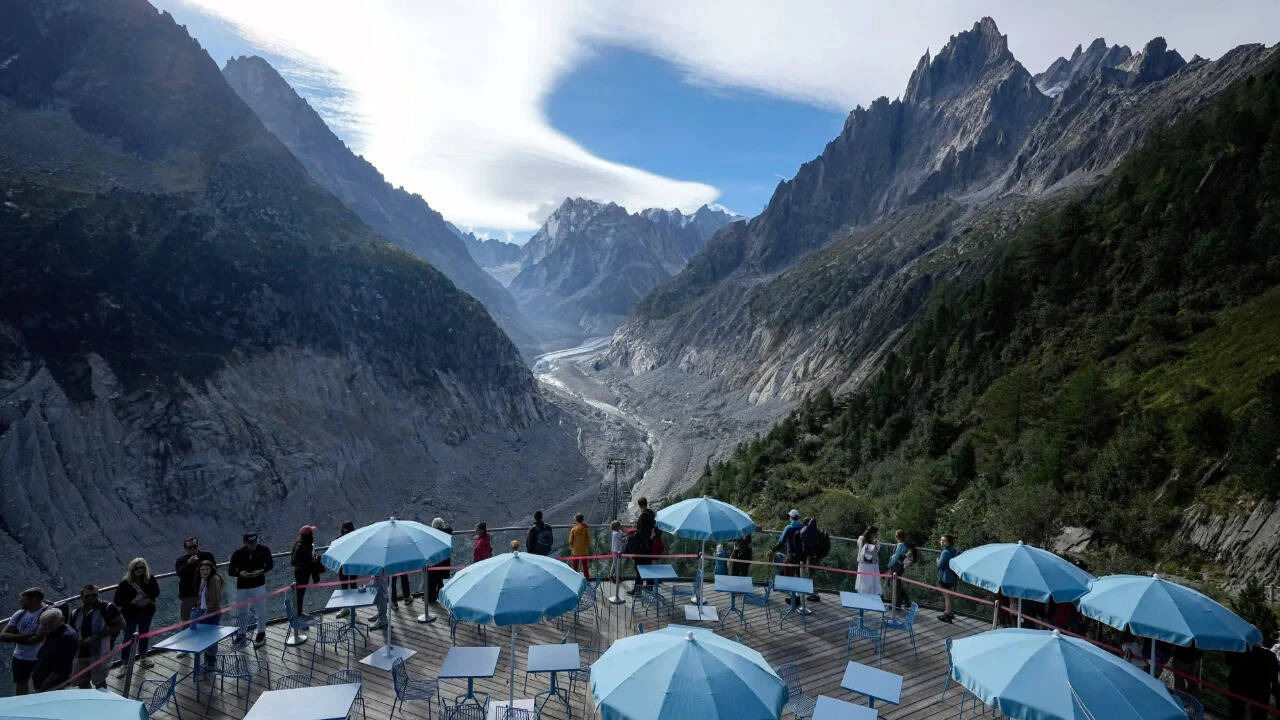
Table of Contents ▼
The majestic European Alps are confronting an accelerating environmental crisis, as escalating global temperatures drive rapid glacial retreat and widespread permafrost thaw. This profound transformation of the high-altitude landscape is manifesting in increasingly unstable geological conditions, leading to a marked rise in rockfall incidents across critical mountain regions. According to recent reports, the Alpine glaciers are shrinking at an alarming rate, a direct consequence of the sustained increase in ambient temperatures. This warming trend is not merely reducing ice volume but is also critically destabilizing the permafrost layers that bind the mountain's rock formations. The subsequent thawing of these frozen soils is rendering cliffs increasingly precarious, thereby amplifying the risk of catastrophic rockfalls. This year alone, the iconic Mont Blanc massif has reportedly experienced a heightened frequency of such collapses, signaling a critical shift in the mountain's structural integrity. Furthermore, areas that historically maintained consistent snow cover are now witnessing significant reduction, exposing underlying terrain to accelerated weathering and further destabilization, underscoring the urgent need for comprehensive ecological assessment and adaptive strategies.
The Unraveling Alpine Landscape: Glacial Retreat and Permafrost Dynamics
The rapid recession of Alpine glaciers stands as one of the most visible and concerning indicators of climate change's impact on high-altitude ecosystems. These vast ice bodies, vital for regional hydrology and biodiversity, are shrinking at an unprecedented pace, directly driven by the escalating temperatures that characterize the current climatic epoch. The loss of glacial mass not only alters the iconic aesthetics of the Alps but fundamentally reshapes the hydrological cycle, impacting water availability for downstream communities and ecosystems.
Crucially, the warming climate is also triggering the widespread thawing of permafrost—the ground, including rock and soil, that has remained frozen for at least two consecutive years. In the Alps, this permafrost acts as a natural cement, binding together fractured rock and stabilizing steep slopes. As temperatures rise, this frozen ground thaws, losing its structural integrity. This transition from a frozen, stable state to a thawed, unstable one represents a critical ecological threshold, beyond which the mountain's geomorphological stability is severely compromised. The consequence, as observed across the range, is an increase in the frequency and scale of rockfalls, posing direct threats to infrastructure, tourism, and human safety.
Geohazard Escalation: The Mont Blanc Massif as a Sentinel
The Mont Blanc massif, a cornerstone of the European Alps, serves as a poignant sentinel for the escalating geohazards. Reports indicate a noticeable increase in rock collapses within this region over the past year. This surge in instability is a direct manifestation of the permafrost thaw, where previously stable rock faces, once cemented by ice, are now prone to fracturing and collapse. The implications extend beyond immediate safety concerns; such events can alter established biodiversity corridors, disrupt delicate high-altitude ecosystems, and impact the foundational stability of the mountain itself.
The shift in these regions, previously blanketed in snow, further exacerbates the problem. Reduced snow cover exposes rock and soil to more direct solar radiation, accelerating thawing processes and increasing the vulnerability of slopes. This feedback loop—warming temperatures leading to less snow, more thaw, and greater instability—underscores the complex and interconnected nature of climate impacts in these sensitive environments. Understanding these cascading effects is paramount for developing effective ground-level conservation and risk mitigation strategies.
Beyond the Ice: Broader Ecological and Community Impacts
The transformation of the Alpine landscape has far-reaching ecological consequences. Changes in water availability due to altered glacial melt patterns can stress unique high-altitude flora and fauna, potentially disrupting delicate food webs and fragmenting critical habitats. The loss of ice and snow also impacts the albedo effect, reducing the amount of solar radiation reflected back into space and contributing to further regional warming—a localized feedback loop that intensifies the overall climate challenge.
For human communities, particularly those nestled within the Alpine valleys, the increased frequency of rockfalls and other geohazards presents significant challenges to urban resilience. Infrastructure, including roads, trails, and settlements, faces heightened risks. Local economies, heavily reliant on tourism and outdoor activities, are also vulnerable to disruptions and safety concerns. Adapting to these new realities requires robust community adaptation plans, integrating scientific understanding of meteorological telemetry and geological stability with practical, on-the-ground preparedness measures.
The Imperative for Green Transition and Carbon Sink Protection
The crisis unfolding in the European Alps is a stark reminder of the global imperative to accelerate the green transition and drastically reduce greenhouse gas emissions. The escalating temperatures driving glacial retreat and permafrost thaw are symptoms of a broader climate imbalance, necessitating a rapid shift towards non-fossil capacity in energy generation and industrial processes. Investing in renewable energy sources and decarbonizing our economies are not merely economic choices but ecological necessities.
Furthermore, the protection and restoration of natural carbon sinks, both within and beyond mountain regions, are critical. While the Alps themselves are not primary carbon sinks in the same vein as vast forests or oceans, the preservation of their unique ecosystems contributes to global ecological health and resilience. The interconnectedness of global climate systems means that action taken to reduce emissions globally directly impacts the future stability of regions like the Alps. This situation calls for an urgent, evidence-based approach to climate action, grounded in scientific rigor and a deep understanding of ecological thresholds.
Frequently Asked Questions (FAQ)
What is permafrost and how does its thawing cause rockfalls?
Permafrost is ground (soil, rock, or sediment) that remains frozen for at least two consecutive years. In mountainous regions like the Alps, it acts as a natural cement, binding rock formations together. When escalating temperatures cause permafrost to thaw, it loses its structural integrity, making cliffs and slopes unstable and significantly increasing the likelihood of rockfalls and landslides.
How does glacial retreat impact the broader Alpine ecosystem?
Glacial retreat impacts the Alpine ecosystem by altering regional hydrology, affecting water availability for flora, fauna, and human communities downstream. It can also disrupt unique high-altitude biodiversity corridors, expose new terrain to weathering, and reduce the albedo effect, contributing to further regional warming. This cascade of effects stresses delicate mountain ecosystems and their inhabitants.