Australia Unveils Landmark Wildlife Crossing, Highlighting Decades-Long Vision for Ecological Connectivity
Australia's Cawleys Bridge, a wildlife crossing envisioned in 1974, has opened, reconnecting two national parks and underscoring sustained commitment to ecological corridors.
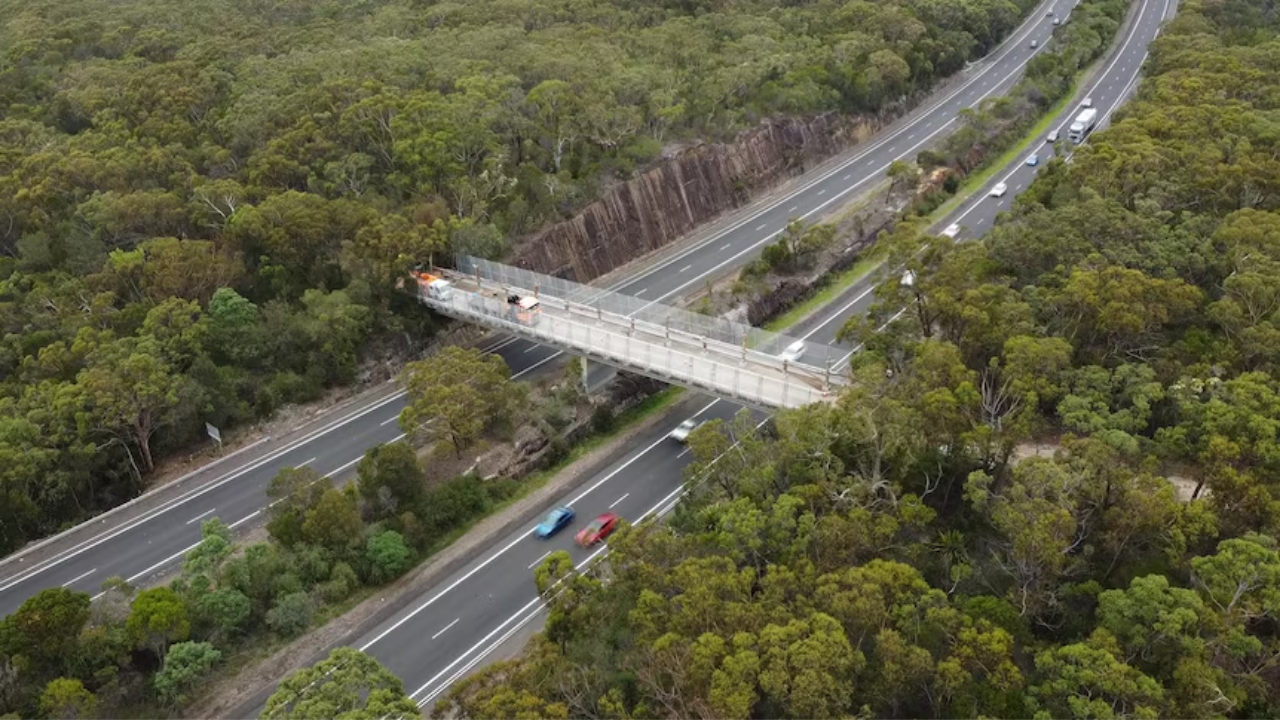
Table of Contents ▼
- The Genesis of an Ecological Strategic Corridor
- Bridging Divides: Infrastructure Development and Biodiversity Imperatives
- Australia's Role in Global Conservation Mandates
- Sustained Vision: A Precedent for Long-Term Strategic Planning
- Broader Implications for International Cooperation and Knowledge Exchange
- Frequently Asked Questions
- Official Reference & Verification
In a significant development underscoring the enduring commitment to environmental stewardship, Australia has officially opened Cawleys Bridge, an innovative wildlife crossing designed to facilitate safe passage for crucial species across a major motorway. This project, which reconnects two national parks, represents the culmination of a vision first proposed by an Australian park ranger in 1974, finally realized 52 years later, according to a report by The Times of India. The modification of Cawleys Bridge into an ecological corridor addresses the pressing challenge of habitat fragmentation caused by modern infrastructure. The bustling motorway, carrying an estimated 40,000 vehicles daily, previously posed a formidable barrier to wildlife movement. The newly enhanced bridge now allows species, including koalas, to traverse safely, mitigating the adverse impacts of human development on natural ecosystems. This long-awaited realization of a half-century-old proposal offers a compelling case study in sustained environmental policy and strategic planning, resonating far beyond Australia's borders. It highlights the intricate balance between national development imperatives and the global mandate for biodiversity conservation, a theme central to multilateral diplomacy and international environmental frameworks.
The Genesis of an Ecological Strategic Corridor
The journey of Cawleys Bridge from a nascent idea to a tangible ecological asset began in 1974, when an Australian park ranger first envisioned transforming an existing service bridge into a dedicated wildlife passage. This foresight, spanning more than five decades, underscores the critical importance of long-term strategic thinking in environmental planning. The concept of an 'ecological strategic corridor' is not merely about physical infrastructure; it embodies a proactive approach to maintaining biodiversity and ensuring the resilience of natural habitats amidst expanding human footprints.
The initial proposal, though ahead of its time, laid the groundwork for what would eventually become a vital link in Australia’s conservation efforts. Such corridors are essential for genetic exchange, species migration, and overall ecosystem health, acting as lifelines for wildlife populations that might otherwise become isolated and vulnerable. The eventual realization of this vision, 52 years later, speaks volumes about the persistent advocacy and the eventual alignment of political will and resources required for projects with profound, long-term environmental dividends.
Bridging Divides: Infrastructure Development and Biodiversity Imperatives
Modern infrastructure, while crucial for economic growth and societal connectivity, often presents significant challenges to ecological equilibrium. Motorways, in particular, fragment landscapes, creating barriers that isolate wildlife populations and increase mortality rates due to vehicle collisions. The Australian motorway over which Cawleys Bridge now spans, reportedly handling 40,000 vehicles per day, exemplifies the scale of this challenge.
Wildlife crossings, such as the modified Cawleys Bridge, represent a sophisticated solution to this dilemma. By providing safe passage, they mitigate the negative impacts of human development, allowing species like koalas to move freely between previously disconnected habitats. This approach aligns with global best practices in sustainable infrastructure, advocating for development that not only serves human needs but also respects and integrates with natural systems. The successful implementation of such projects contributes directly to enhancing 'environmental stability' at a regional level, which, in turn, supports broader national and international conservation objectives.
Australia's Role in Global Conservation Mandates
While the Cawleys Bridge project is a national initiative, its successful completion resonates within the broader framework of international environmental diplomacy and multilateral mandates. Australia, as a signatory to various international treaties and conventions, including the Convention on Biological Diversity (CBD) and a proponent of the United Nations Sustainable Development Goals (SDGs), has a vested interest in demonstrating leadership in conservation.
The realization of a project with such a long gestation period serves as a powerful testament to sustained national commitment, a quality often sought in international partnerships. It underscores how local actions contribute to global environmental security and resilience. Such initiatives, while specific to a national context, can inform 'bilateral communiqués' on best practices in ecological engineering and inspire similar efforts in other nations grappling with similar challenges of balancing development with environmental protection. The project implicitly reinforces Australia's 'proactive posture' for environmental resilience on the global stage, contributing to its soft power and influence in international environmental forums.
Sustained Vision: A Precedent for Long-Term Strategic Planning
The 52-year timeline from proposal to realization for Cawleys Bridge offers a unique lens through which to examine the dynamics of long-term strategic planning. In an era often characterized by short-term political cycles and immediate economic pressures, the sustained commitment required to bring this vision to fruition is noteworthy. It highlights the importance of institutional memory, consistent policy advocacy, and the ability to transcend immediate challenges for a greater, enduring benefit.
From a geopolitical perspective, the capacity for long-term strategic planning is a critical asset for any nation. Whether in defense, economic development, or environmental policy, the ability to conceive, commit to, and execute projects over decades demonstrates national resolve and foresight. The Cawleys Bridge project, therefore, serves as an internal example of the kind of sustained vision that underpins effective engagement in complex international issues, where outcomes often require decades of diplomatic effort and consistent resource allocation, guided by principles of 'international law' and multilateral cooperation.
Broader Implications for International Cooperation and Knowledge Exchange
The successful opening of Cawleys Bridge provides a valuable case study that can inform and inspire conservation efforts globally. The methodologies employed in modifying an existing structure, managing ecological considerations alongside high-volume traffic, and sustaining a vision over half a century offer practical lessons for other nations. This knowledge can be a subject of 'diplomatic envoy' exchanges, fostering greater international cooperation on biodiversity conservation.
As nations worldwide confront the dual challenges of infrastructure expansion and biodiversity loss, the Australian experience with Cawleys Bridge can serve as a benchmark. It reinforces the understanding that environmental protection is not merely a local concern but an integral component of global stability and sustainable development. The project's success underscores the potential for innovative solutions to complex environmental problems, contributing to a collective global effort to safeguard natural heritage for future generations, aligning with the spirit of 'multilateral mandates' for environmental protection.
Frequently Asked Questions (FAQ)
What is Cawleys Bridge and where is it located?
Cawleys Bridge is an innovative wildlife crossing located in Australia. It was originally a service bridge that has been modified to allow safe passage for wildlife over a busy motorway, reconnecting two national parks.
When was the idea for Cawleys Bridge first proposed?
The vision for Cawleys Bridge as a wildlife corridor was first proposed by an Australian park ranger in 1974. It took 52 years for this vision to be fully realized and the bridge to open.
What kind of wildlife will benefit from Cawleys Bridge?
The bridge is designed to facilitate safe passage for important wildlife, including species like koalas, allowing them to move between previously fragmented national parks without encountering the dangers of the motorway.
How busy is the motorway that Cawleys Bridge spans?
The motorway over which Cawleys Bridge operates is a bustling thoroughfare, carrying an estimated 40,000 vehicles per day, highlighting the critical need for a safe wildlife crossing.
Official Verification & Authority Portals
GovIndiaNews verifies all news reports against primary gazettes, authorized communiqués, and ministry portals. Verify official updates through the following resources: