The Legacy of an Invasive Species: How Giant Reed Impacts California’s Ecological Security
Originally introduced in the 1820s for erosion control, the invasive giant reed now threatens California's landscape and intensifies wildfire risks.
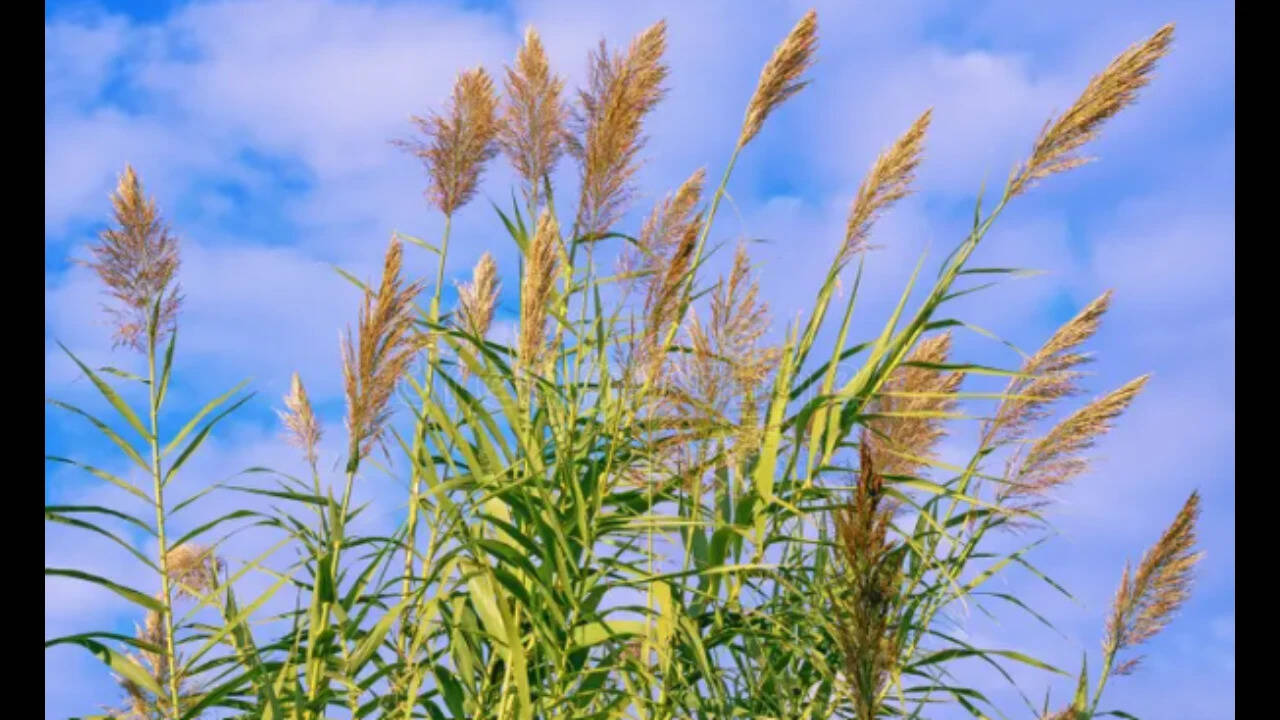
Table of Contents ▼
A botanical introduction dating back to the 1820s has evolved into a significant environmental challenge for California. Originally brought to the region for practical purposes such as roofing material and erosion control, the giant reed—a plant native to eastern Asia—has since established itself as a pervasive invasive species. According to reports, the plant has proliferated across the state, creating dense, monocultural stands that actively displace native vegetation. This shift in local flora has broader implications for regional land management and disaster preparedness, particularly as the plant’s presence is now linked to increased wildfire intensity in Southern California.
Historical Context and Ecological Displacement
The introduction of the giant reed in the 19th century was driven by the need for sustainable building materials and soil stabilization. However, the plant's rapid growth rate has allowed it to outcompete native species, fundamentally altering the composition of riparian zones. By forming impenetrable thickets, the reed prevents the growth of indigenous plants that are essential for maintaining the health of local ecosystems.
This displacement is not merely a matter of biodiversity loss; it represents a disruption of the natural balance within California’s river systems. As native plants are crowded out, the ecological services they provide—such as supporting local wildlife and regulating water flow—are diminished, leaving the landscape more vulnerable to environmental stressors.
Wildfire Fuel and Regional Risk
One of the most pressing concerns regarding the giant reed is its role in exacerbating wildfire risks. In areas such as the Santa Ana River, the plant has been observed to significantly increase the volume of available fuel for fires. Reports indicate that in certain parts of Southern California, the presence of giant reed has doubled or even tripled the amount of wildfire fuel compared to areas dominated by native vegetation.
This accumulation of biomass creates a high-risk environment where fires can burn hotter and spread more rapidly. For local authorities, this necessitates a strategic re-evaluation of fire mitigation protocols, as the presence of such invasive stands complicates traditional containment strategies.
Challenges in Mitigation and Future Outlook
Addressing the spread of the giant reed remains a complex endeavor. Because the plant is deeply entrenched in various parts of the state, eradication efforts require sustained, long-term commitment and coordination. The challenge lies in balancing the need for effective removal with the preservation of the surrounding environment, ensuring that remediation efforts do not inadvertently cause further ecological harm.
As California continues to navigate the impacts of this two-century-old introduction, the focus remains on understanding the full scope of the plant's reach and developing robust management frameworks to mitigate its influence on both biodiversity and public safety.
Frequently Asked Questions (FAQ)
Why was the giant reed originally brought to California?
The plant was introduced in the 1820s primarily for use as a roofing material and to assist with erosion control.
How does the giant reed affect wildfire risks?
The plant forms dense stands that significantly increase the amount of combustible biomass, with some areas in Southern California seeing wildfire fuel levels double or triple due to its presence.
Is the giant reed native to California?
No, the giant reed is native to eastern Asia and was introduced to California in the 1820s.
Official Verification & Authority Portals
GovIndiaNews verifies all news reports against primary gazettes, authorized communiqués, and ministry portals. Verify official updates through the following resources: